7 Signs Your Property Would Benefit from a New Tarmac Driveway
A driveway should provide stable, practical and dependable access to your property. When the surface begins to deteriorate, however, everyday use can become less convenient and isolated repairs may no longer produce a lasting improvement.
A professionally installed tarmac driveway offers a smooth, durable surface suitable for regular vehicle and pedestrian use. Recognising when your existing driveway is no longer performing properly can help you decide whether a new installation would be the most appropriate solution for your property in Knaphill, Hampshire.
When Should You Consider a New Tarmac Driveway?
Not every crack or worn section means that a driveway needs replacing. Localised repairs may be sufficient when the surrounding surface and foundations remain sound. The following signs can indicate that deterioration is more extensive and that a new tarmac driveway deserves consideration.
1. Cracks Are Spreading Across the Surface
An isolated crack can sometimes be repaired before it worsens. Numerous cracks, interconnected lines or areas resembling a broken pattern often indicate movement or weakness beneath the surface.
Water can enter these openings and reach the supporting layers below. As vehicles repeatedly pass over the affected area, the cracks may widen and sections of the surface can begin to loosen. Installing new tarmac over a correctly prepared base addresses both the visible deterioration and its underlying cause.
2. Potholes Keep Returning
A pothole develops when the surface and material beneath it lose stability. Although an individual pothole may be repairable, repeated failures in several locations can suggest that the driveway is deteriorating more widely.
Filling the visible hole without correcting weak or water-damaged foundations may provide only a temporary improvement. A new installation allows unsuitable material to be removed and the base reconstructed before the tarmac is laid.
3. Water Regularly Collects on the Driveway
Standing water is often a sign that the surface no longer has the correct falls or has settled unevenly. Persistent pooling can make the driveway less convenient to use and allow moisture to enter existing cracks.
Effective drainage should form part of the driveway’s overall design. During a new installation, levels and gradients can be established so that surface water is directed appropriately rather than being allowed to collect in low areas.
4. The Surface Has Become Uneven or Sunken
Depressions, ruts and sunken sections can form when the supporting layers have not been compacted correctly, have been affected by water or are no longer suitable for the loads placed upon them.
Uneven areas may make parking awkward and create uncomfortable transitions for vehicles and pedestrians. Applying additional material to the surface will not necessarily correct movement below it. Reconstructing the affected foundation provides a more stable platform for new tarmac.
5. Loose Material Is Appearing Across the Driveway
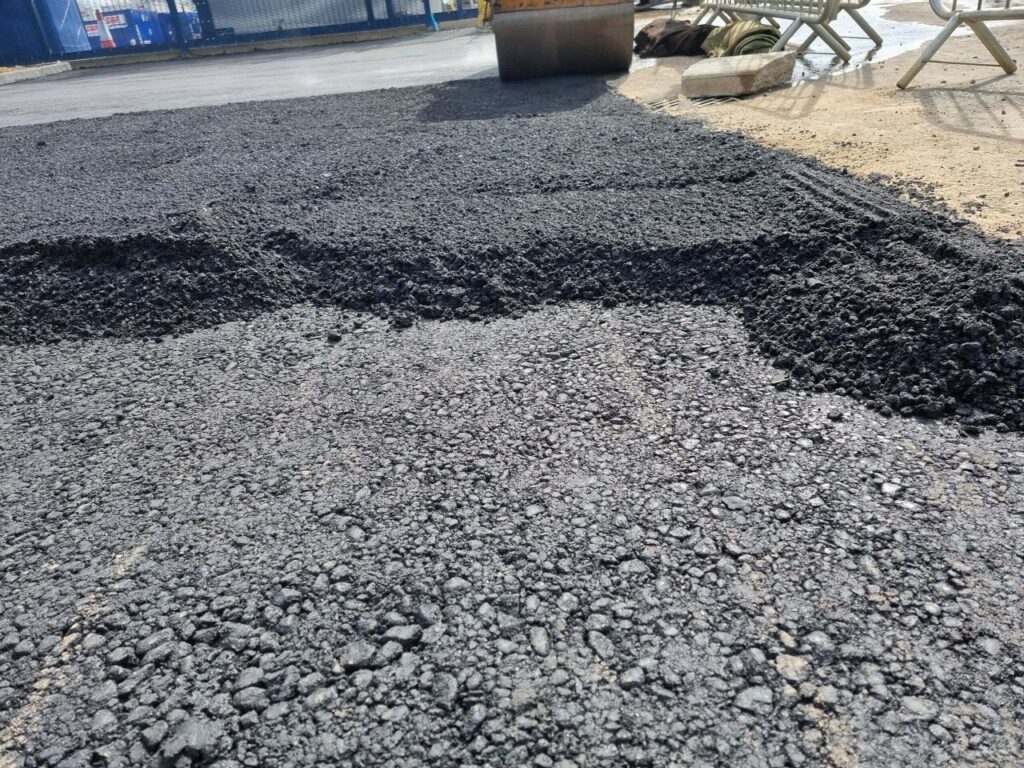
Tarmac can gradually lose its cohesion as it deteriorates. Small stones, crumbling edges and loose surface material may become increasingly noticeable, particularly in frequently used areas.
When this problem affects much of the driveway, patching individual sections can leave an inconsistent finish without resolving the general decline. A new surface provides an even, properly compacted layer designed to withstand regular use.
6. The Driveway No Longer Suits Your Parking Requirements
A driveway may remain structurally serviceable but no longer provide enough practical space. Changes in vehicle numbers, parking arrangements or access requirements can make the original layout inconvenient.
A new tarmac driveway can be planned around how the area is currently used. The layout may include improved turning space, clearer access routes or a more practical parking arrangement. Proper planning also ensures that the expanded areas have suitable foundations rather than relying on ground intended only for garden or pedestrian use.
7. Previous Repairs Are No Longer Effective
Occasional repairs are expected as an external surface ages. Concern arises when repaired areas begin to fail again or new problems repeatedly appear nearby.
This pattern can indicate that deterioration extends beyond the visible surface. Weak foundations, poor drainage or widespread material failure may all cause repairs to become increasingly ineffective. A professional assessment can determine whether further local work is worthwhile or whether replacement would provide a more dependable outcome.
Why Ground Preparation Matters
The performance of a tarmac driveway depends heavily on the structure beneath it. A smooth surface laid over weak, poorly compacted or unsuitable ground is likely to develop movement and cracking.
Professional installation should include an assessment of the ground, appropriate excavation, a well-compacted sub-base and carefully planned levels. Edging must provide suitable restraint, while drainage should be considered before the tarmac is applied. These elements create the stable foundation needed for the completed driveway to perform reliably.
Benefits of a Professionally Installed Tarmac Driveway
A correctly constructed tarmac driveway can provide:
- A smooth and practical surface for vehicles
- Reliable performance under frequent use
- Clearly defined parking and access areas
- Effective surface-water management
- A neat appearance that complements the property
- Straightforward ongoing maintenance
These benefits depend on proper preparation and installation rather than the surface material alone.
Conclusion
Spreading cracks, recurring potholes, standing water, sunken areas and widespread surface deterioration can all indicate that a driveway is approaching the point where repairs are no longer sufficient. A new tarmac driveway may also be beneficial when the existing layout no longer meets your parking or access requirements.
NS Driveways Knaphill can assess the condition of your existing surface and advise whether repair or replacement is the most suitable option. To discuss a professionally installed tarmac driveway for your property, contact our team in Knaphill, Hampshire.
Call us on: 01483 967 989
Click here to find out more about NS Driveways Knaphill
Click here to complete our contact form and see how we can help with your driveways needs.